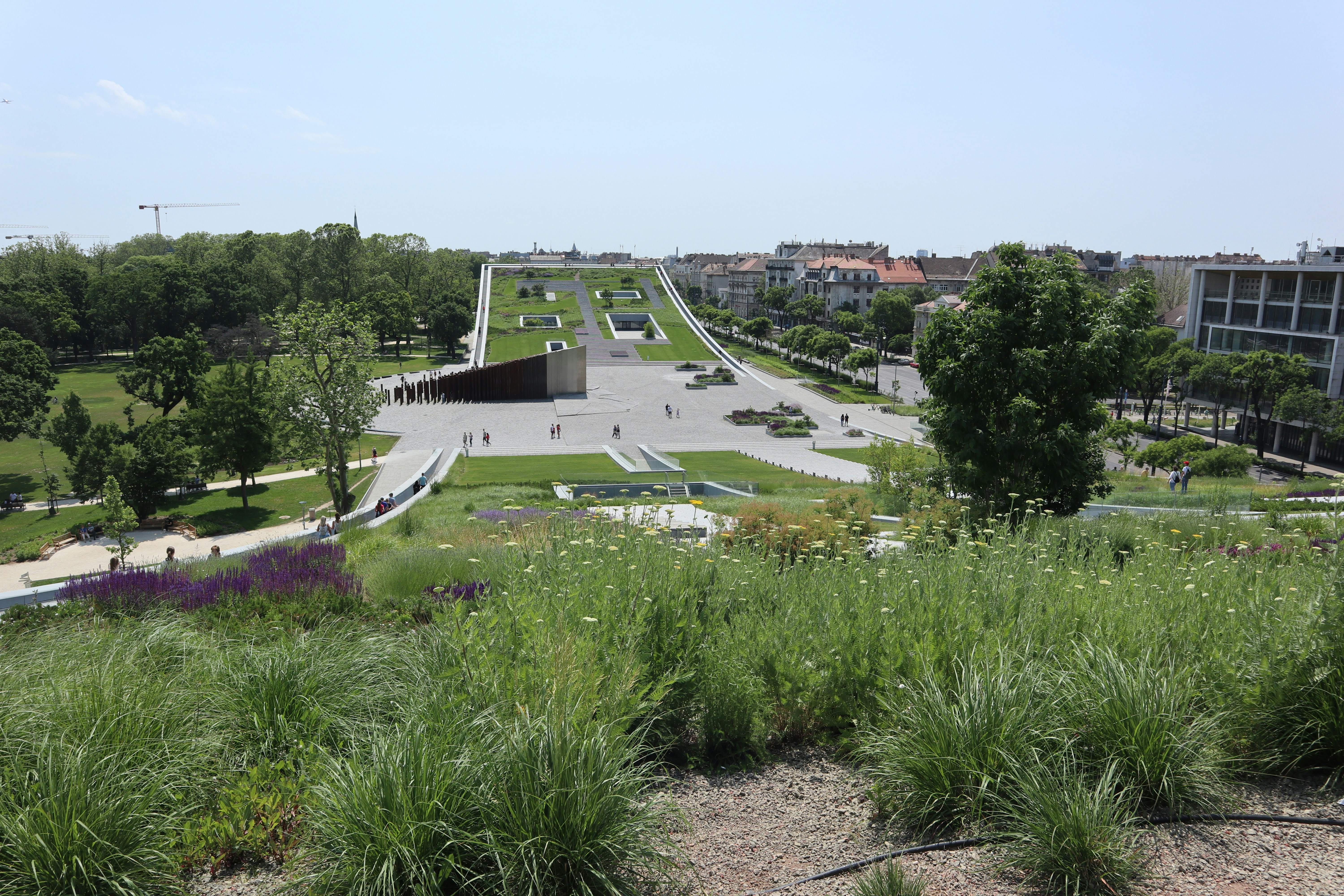
Holistic Building Standards
These are the most recognized global standards. They cover everything from energy to water to materials.
- LEED O+M (Operations & Maintenance): Building performance for existing buildings.
- LEED BD+C / ID+C: The standards for new construction and interior fit-outs.
- BREEAM (USA & International): A rigorous, science-based alternative to LEED in much of Europe.
- DGNB (German Sustainable Building Council): The gold standard in Denmark and much of Europe.
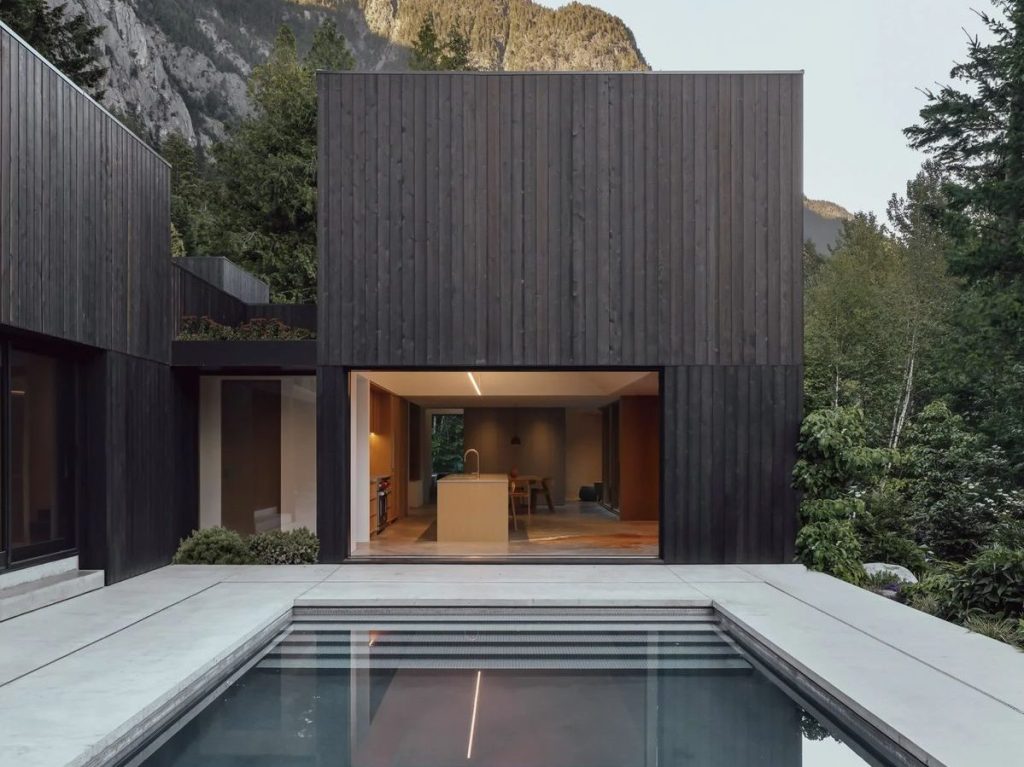
Human-Centric Project Standards (Health & Wellness)
These focus on the “S” in ESG—the health, comfort, and productivity of the people inside.
- Fitwel: A standard focused on evidence-based health design.
- WELL Building Standard: A more technical, performance-verified health standard that complements LEED.
- Reset: Focuses specifically on continuous data monitoring for indoor air quality (IAQ).
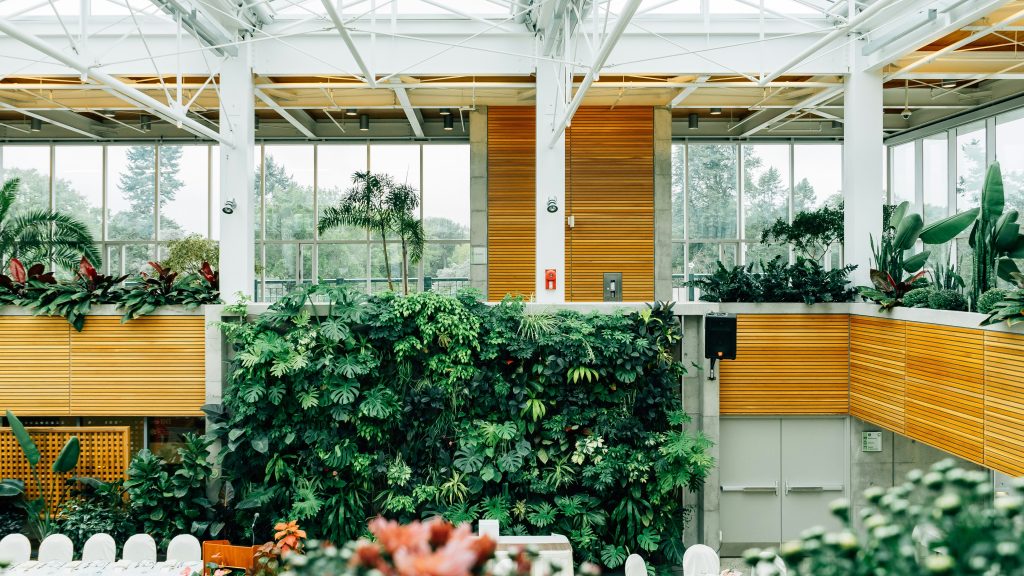
Performance & Carbon Standards (Technical Deep Dives)
When focusing on Decarbonization, these are essential for high-level strategy.
- Living Building Challenge (LBC): The most rigorous “regenerative” standard (Energy, Water, and Waste Petals).
- Passive House (PHI / PHIUS): The ultimate standard for building envelope performance and thermal comfort.
- Zero Carbon (ILFI): A specific certification for projects that have neutralized both embodied and operational carbon.
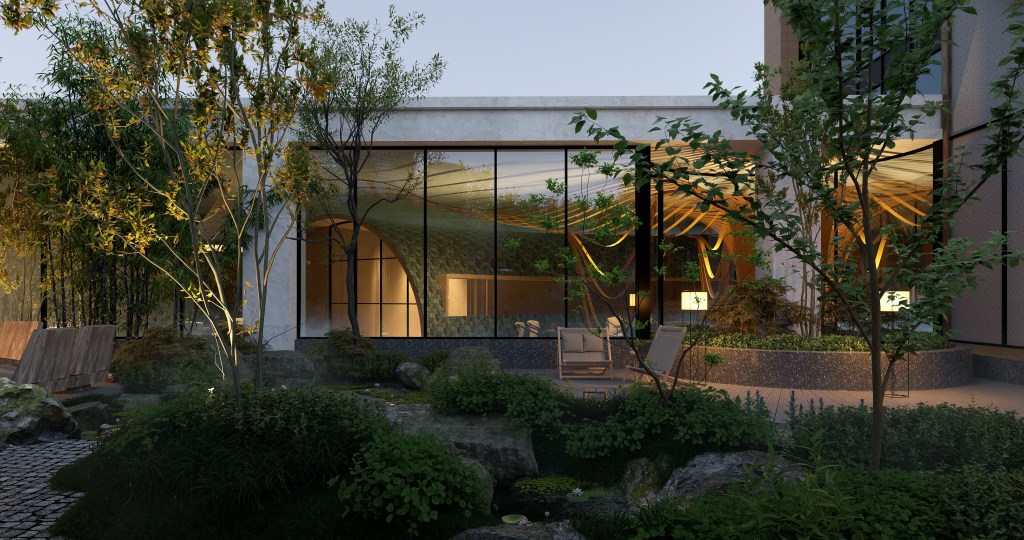
Specialized Standards (Site & Waste)
These cover the areas outside the building envelope or specific lifecycle issues.
- SITES: Like LEED for the landscape; focuses on ecosystem services and land development.
- TRUE (Total Resource Use and Efficiency): The zero-waste certification; perfect for operations-focused consulting.
- PEER: A standard for power system performance, focusing on reliability and resilience.